The Puzzle of a Growing Antarctica
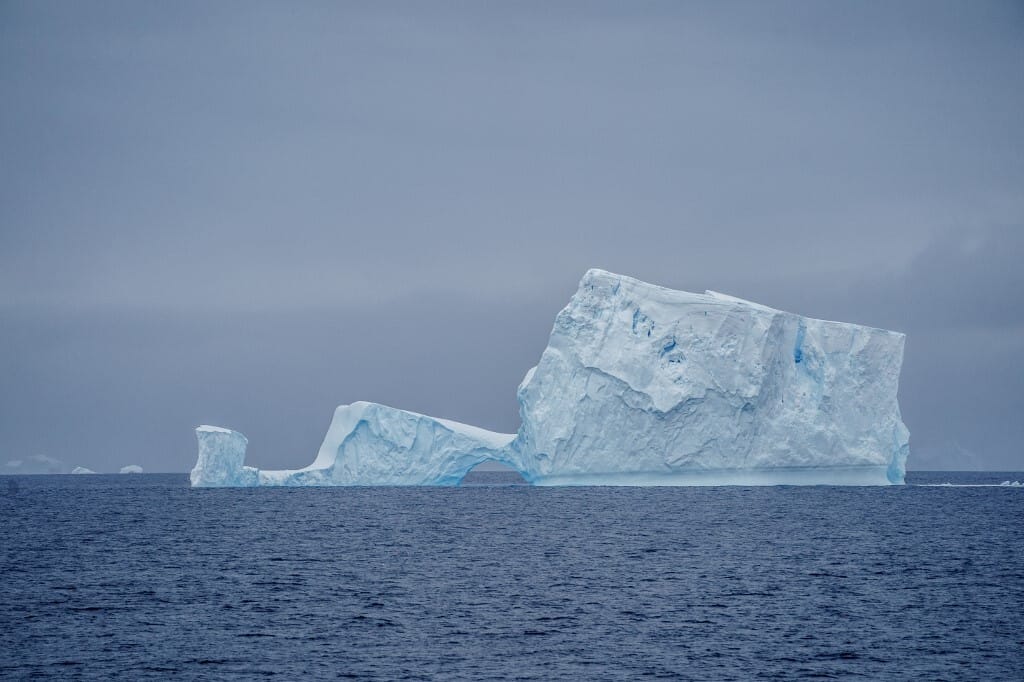
For decades, the Antarctic ice sheet has been shrinking. Between 2003 and 2024, it lost an average of roughly 140.5 billion tons of ice each year — a major contributor to rising sea levels worldwide. But then, something unexpected happened.
In East Antarctica, snow accumulation actually outpaced the ongoing ice losses in West Antarctica, slowing the continent‑wide mass loss to near zero.
The question baffled scientists. What could possibly explain this sudden, short‑lived reprieve?
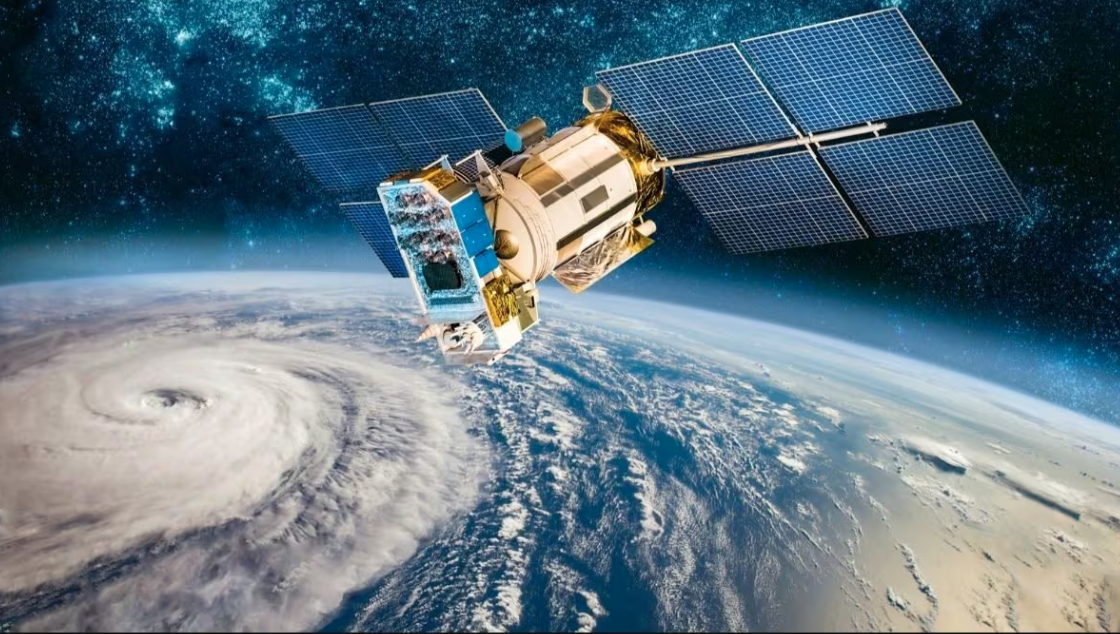
“From July 2021 to April 2023, satellite observations recorded a striking reversal: the ice sheet gained approximately 695 billion tons of mass, marking the largest 22‑month mass increase in nearly two decades of gravity satellite records.”
EuroAsia.News
A Remote Climate Connection, Finally Explained
An international research team — including scientists from China, the United States, Japan, Belgium, and Hungary — set out to solve the mystery. Their findings, published on August 19, 2026 in the journal Nature, reveal a climate link that had previously been overlooked.
The answer lies thousands of kilometers away, in the tropical western Pacific Ocean. The researchers identified a region known as the tropical warm pool — where the western Pacific meets the eastern Indian Ocean — as the unexpected driver. Between 2021 and 2023, sea surface temperatures in this area remained persistently warmer than usual, triggering an extraordinary chain of atmospheric events.
This prolonged warming generated large‑scale atmospheric waves that traveled all the way to the Southern Hemisphere’s high latitudes. Upon reaching East Antarctica, these waves reshaped wind patterns and created a north‑south dipole circulation — a specific pressure pattern that redirected moisture transpor. The result? Moist air from the mid‑latitude Indian Ocean was funneled directly toward East Antarctica’s Queen Mary Land and Wilkes Land region, producing persistent and exceptionally heavy snowfall.
The Hungarian Contribution
Dániel Topál, a scientific senior research fellow at the HUN‑REN Research Centre for Astronomy and Earth Sciences’ Institute of Geography and Earth Sciences in Hungary, was a co‑author of the study. The research was featured on the cover of Natures August 27 issue.
Topál and his colleagues combined multiple lines of evidence — satellite gravity measurements, ice‑core snow records, and atmospheric circulation models — to demonstrate that this tropical‑Antarctic connection was no coincidence. Their work helped establish that the tropical warm pool acts like a remote “regulator,” influencing multi‑year variations in snowfall and ice mass over East Antarctica.
A Temporary Reprieve, Not a Reversal
Crucially, the study shows that this event is not a sign that climate change has been reversed. Similar warm‑pool warming episodes occur only about once every decade, according to both observations and climate simulations. The 2021–2023 anomaly was driven primarily by natural climate variability, not human‑caused greenhouse warming — in fact, anthropogenic forcing accounted for only about 9 percent of the observed snowfall increase.
“This is most likely a short‑lived phenomenon,” said Eric Steig, a co‑author from the University of Washington, in a news release. “When something changes, it is very tempting, even to scientists, to think ‘oh, there’s a new normal happening,’ but this analysis shows that’s not the case”.
The Long‑Term Trend Remains Alarming
While East Antarctica briefly gained mass, the West Antarctic ice sheet continues to lose ice at an alarming rate, and some outlet glaciers in East Antarctica are also threatened by warm ocean waters melting ice shelves from below and accelerating ice flow toward the sea.
“This temporary slowdown has not reversed the long‑term trend of Antarctic ice‑sheet mass loss,” warned Wang Yunhe, the study’s lead author from the Chinese Academy of Sciences.
The findings do, however, offer a new framework for understanding short‑term fluctuations in Antarctic ice mass — and highlight the complex, interconnected nature of Earth’s climate system, where a warming patch of tropical ocean can, for a brief moment, slow the melting of the world’s largest ice sheet.