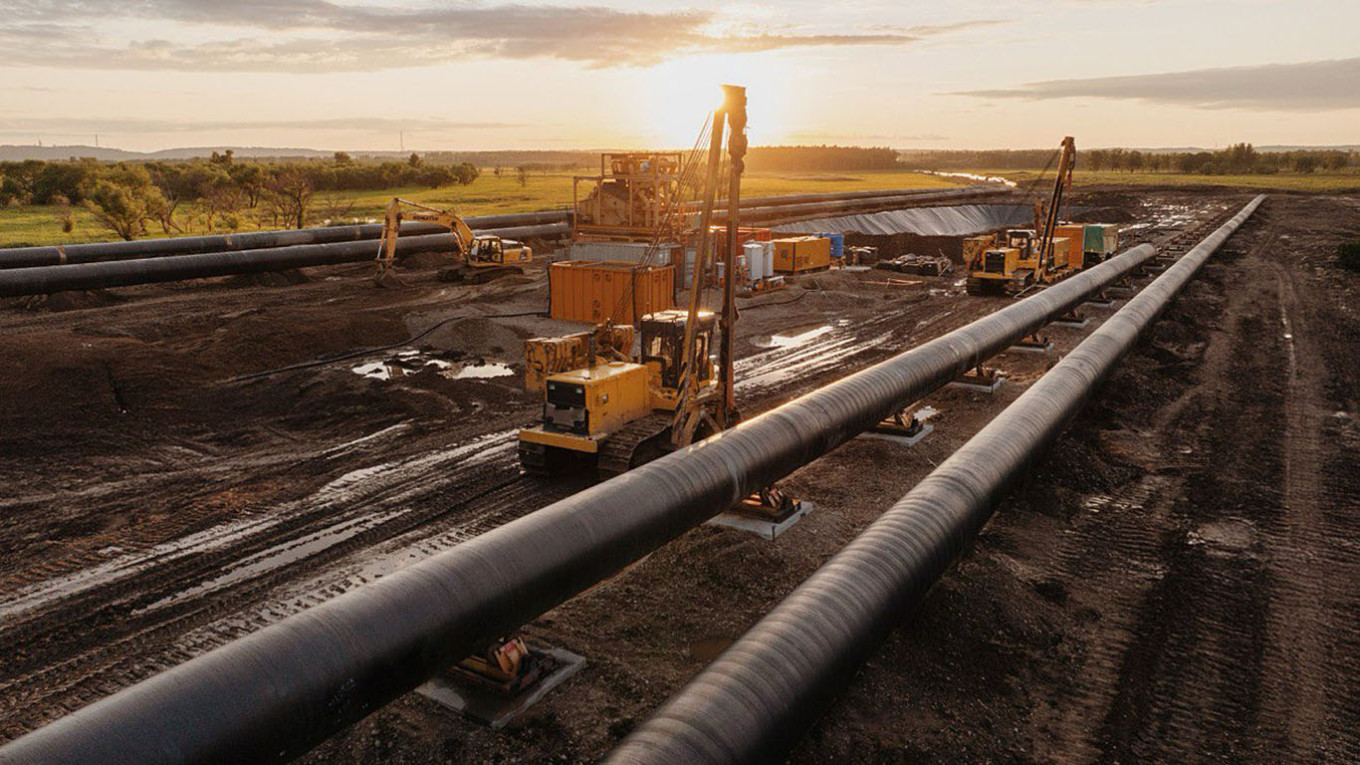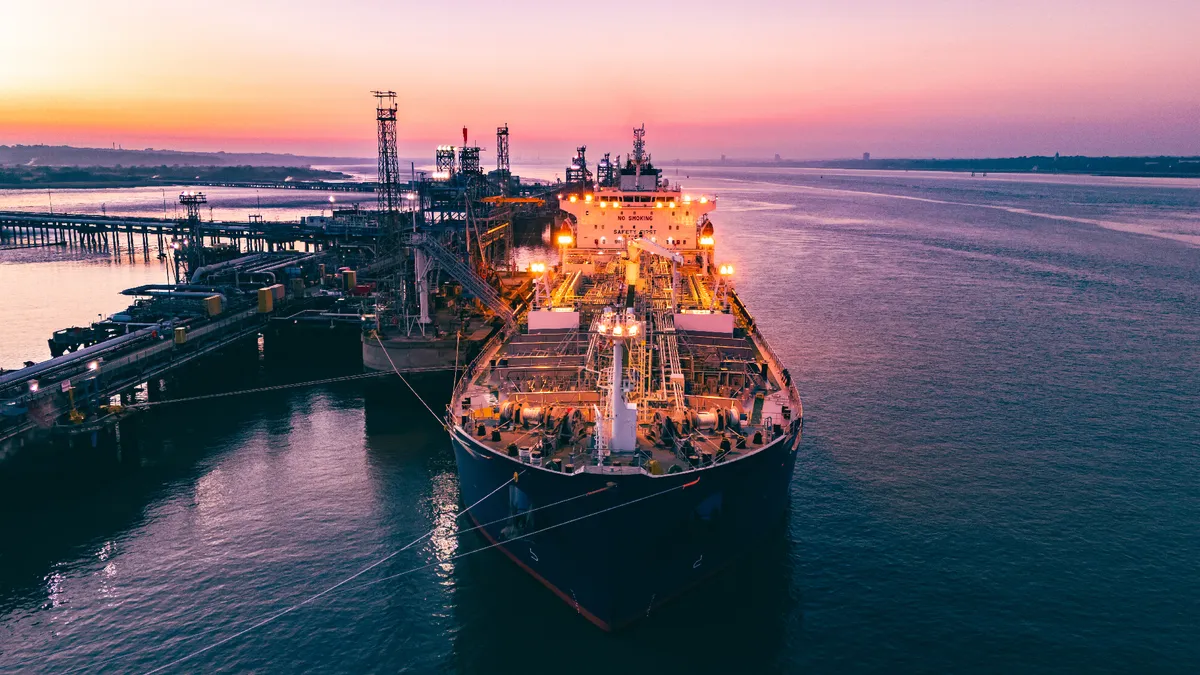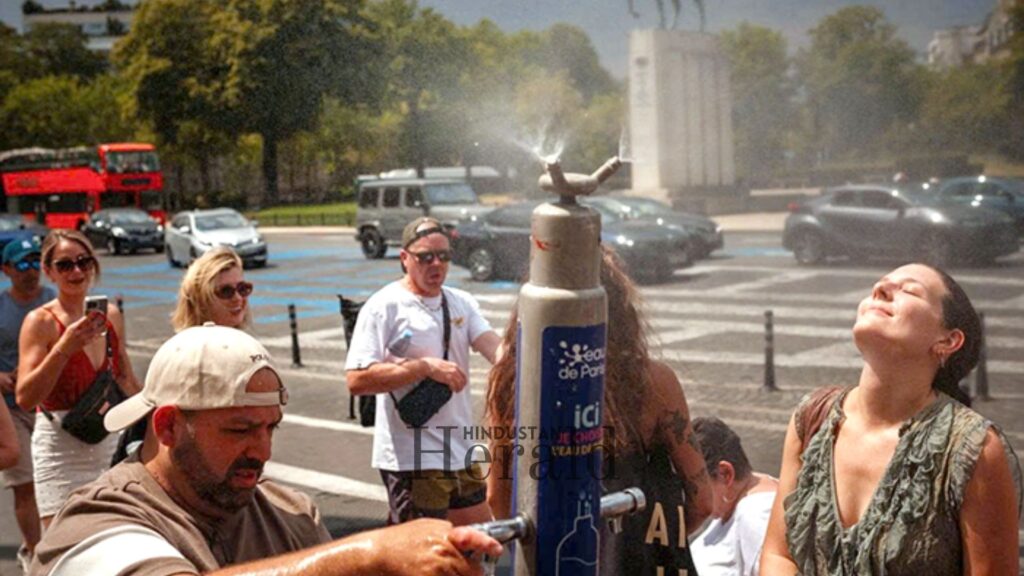
Europe's summer of 2026 has become a defining moment. The fifth heatwave of the year has pushed temperatures past 40°C across multiple countries, shattered historical records, and transformed what was once a seasonal weather concern into a full-blown energy and economic crisis. With Western Europe recording average temperatures nearly 10°C above the 1961–1990 baseline in mid-August, the numbers tell a story of systemic vulnerability .
The Energy Shock: Supply Constraints and Price Spikes
Demand has surged as air conditioning usage skyrocketed, while supply has been simultaneously constrained by environmental conditions affecting thermal and hydro power generation . The numbers are stark. Daily electricity demand jumped by 23% in Hungary, 14% in France, and 13% in Spain during heatwave days compared to the preceding week .
“The heatwave has delivered a double blow to Europe's power systems.”
EuroAsia.News
The price consequences have been severe. In Germany, weekly average power prices traded at approximately €123.5 per megawatt-hour, with some periods peaking near €150/MWh . France saw market prices climb above €268/MWh, marking the highest level since August 2023 . Analysis by environmental NGO 350.org revealed that electricity bills in Germany and France alone rose by an estimated €700 million in a single week, with German prices spiking from €86/MWh at midday to €566/MWh at 8pm as solar generation dipped while cooling demand remained high .
The crisis extends to energy infrastructure itself. In Hungary, the Danube River has fallen as much as 140 centimetres below normal levels, forcing the shutdown of seven turbines at the Paks nuclear power plant, which typically supplies around 40% of the country's electricity . Authorities even resorted to sinking two 80-meter barges to raise water levels near the facility, amid warnings that further decline could force additional cuts .
France, Europe's largest nuclear power producer, has also been severely affected. Environmental regulations prevent cooling water being discharged into rivers above certain temperatures to protect aquatic life, forcing reactor shutdowns when river water becomes too warm. On July 12, 2026, up to 29 GW (43%) of French nuclear capacity was unavailable, with at least 11 GW specifically attributed to forced outages or environmental issues.
The Economic Toll: A 1% GDP Hit
The economic implications are staggering. Dutch bank Triodos estimates that this year's heat and drought could cost the EU economy approximately €180 billion, equivalent to 1% of GDP — effectively wiping out the bloc's projected growth for 2026. Moody's estimates from last year's heatwaves, which cost €43 billion in lost economic output, hint at the scale of this year's damage.
Germany, Europe's largest economy, is particularly exposed. The Rhine River, which carries roughly 80% of Germany's inland waterway freight, has seen water levels at Kaub drop to crisis levels, severely restricting shipping. ING Bank economists estimate this disruption alone could drag down German GDP by 0.3 percentage points — a devastating blow for a country already struggling with growth rates below 1%. Chemical giant BASF has warned of delayed compound deliveries due to restricted raw material access, while some German states have temporarily lifted Sunday truck bans to ease supply chain pressure.
Agricultural Devastation Across the Continent
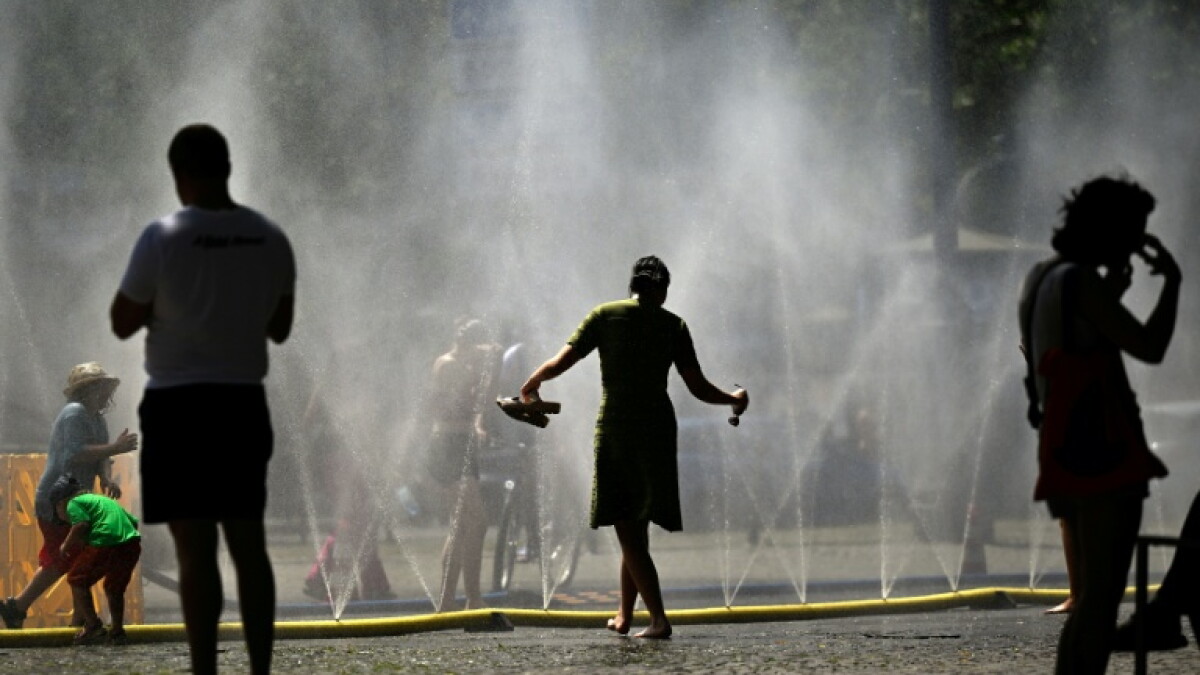
Agriculture has borne the immediate brunt of the crisis. Hungary's Great Plain, once fertile pastureland, has become parched and dusty after weeks without rain. Farmer Sandor Molnar, managing 130 cattle, reports grazing capacity has dropped by more than half compared with four or five years ago. The drought has affected 89% of Hungary.
In France, Germany, and the Netherlands, potato planted acreage has contracted by 11%, with crops deteriorating nearly a month earlier than usual. Champagne grape growers have begun the earliest harvest on record, roughly a month ahead of schedule. French Agriculture Minister Annie Genevard warns that agricultural losses could reach billions of euros .
The Insurance Gap and Business Disruption
The hospitality sector offers a microcosm of the broader economic pain. In Padua, Italy, a survey of 600 businesses found that over 80% reported turnover declines of around 20% during the recent heatwave. As Federica Luni, president of hospitality association APPE Padova, starkly put it: "A 20% decline wipes out your margin".
Extreme heat rarely causes catastrophic physical damage like a flood or storm, making it difficult to insure through traditional business interruption policies. Swenja Surminski, managing director for climate and sustainability at Marsh, noted: "Heat in itself is not a traditionally insured risk". This protection gap is widening as the economic costs mount, with the European parametric insurance market expected to reach $7.93 billion by 2031 to fill the void.
A Future of Recurring Crises
The 2026 heatwave is not an anomaly but a harbinger. Scientists with World Weather Attribution found that soil moisture deficits like those recorded this year are now around five times more likely in Western Europe and 11 times more likely in Eastern Europe than in a climate just 1.4°C cooler. The crisis is no longer merely meteorological — it has become an energy security issue, a supply chain liability, and a drag on economic growth that Europe can no longer afford to treat as a summer inconvenience.