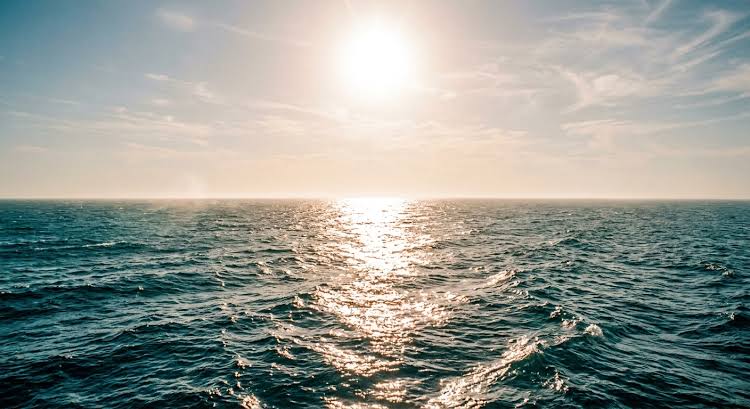
Europe’s surrounding seas are entering a new temperature regime. During the summer of 2026, exceptional marine heatwaves spread across the Mediterranean, Bay of Biscay, waters off the Iberian Peninsula and parts of the Celtic Sea. Scientists now say that human-caused climate change is not merely increasing the probability of these events — it is substantially raising their temperature.
According to World Weather Attribution, climate change added around 2°C to the 2026 Mediterranean marine heatwave, approximately 1.4°C around the Bay of Biscay and Iberian coast, and about 1.3°C in the Celtic region. In some locations, sea-surface temperatures climbed as much as 6°C above the seasonal average.
“The Mediterranean averaged around 27°C in July 2026, the highest July temperature recorded, while a monitoring buoy near Mallorca registered approximately 33°C in early August.”
EuroAsia.News Climate Desk, reporting from Rome
The trend did not begin this summer. Copernicus data show that the average sea-surface temperature of European waters reached a record 10.94°C in 2025 — 0.65°C above the 1991–2020 average. It was the fourth consecutive year in which the annual European ocean temperature reached a record. Around 86% of Europe’s ice-free seas experienced at least strong marine-heatwave conditions during 2025.
Even more striking is the change in geographical coverage. In the 1980s, roughly 40% of European waters experienced marine heatwaves during affected years. During 2023–2025, that figure approached 98%.
The consequences extend far beyond warmer beaches. Marine heatwaves can damage coral communities, sponges and seagrass, disrupt fish reproduction and force species toward cooler northern waters. Fisheries and aquaculture may consequently face changing stocks, new diseases and greater uncertainty.
Hotter seas can also reinforce extreme weather on land. Warm water increases evaporation and atmospheric moisture, potentially contributing to intense rainfall events, while warmer coastal waters can keep nighttime temperatures elevated during heatwaves.
Scientists caution that adaptation has limits. Protected marine areas, improved fisheries management and reduced pollution can make ecosystems more resilient, but they cannot prevent continuing temperature increases.

The outlook is particularly concerning because oceans absorb the overwhelming majority of the excess heat trapped in the climate system. Unlike short-lived atmospheric heatwaves, much of this accumulated energy remains stored below the surface.
Europe’s marine heat is therefore increasingly becoming more than an environmental story. It is emerging as an economic and strategic challenge involving fisheries, tourism, coastal infrastructure, agriculture and ultimately the climate resilience of the continent itself.
Sources: World Weather Attribution, Copernicus Climate Change Service, Copernicus Marine Service, Reuters.