Across Japan, climate adaptation is taking an unusual but increasingly necessary form: farmers are moving their working day into the night.
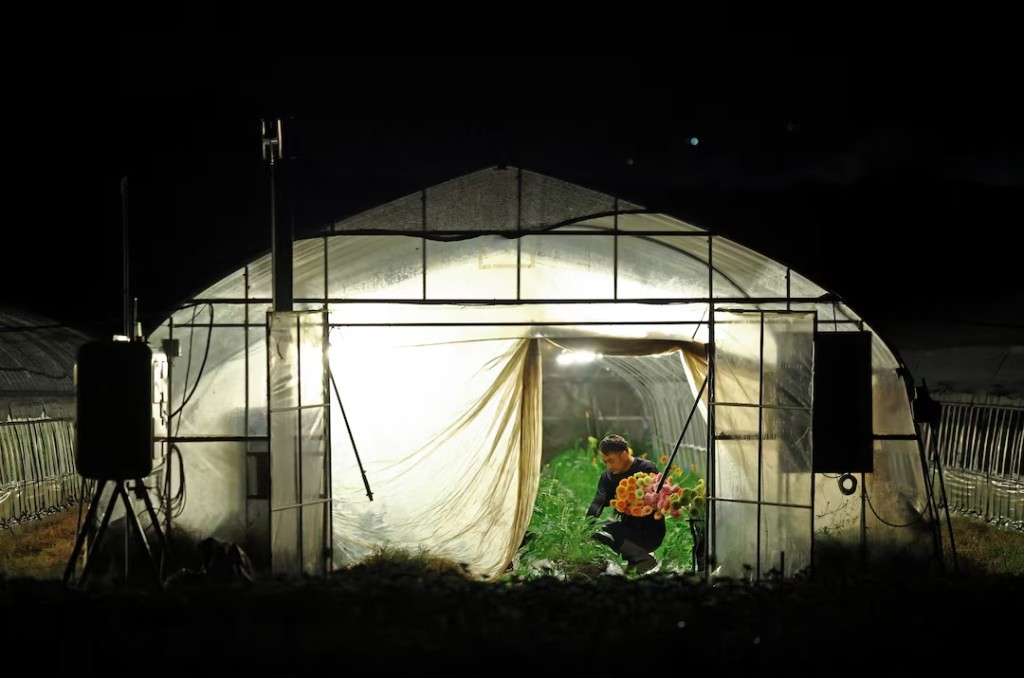
In Tochigi Prefecture north of Tokyo, flower growers now harvest after sunset, agricultural workers begin before dawn and poultry farmers change feeding schedules so animals can eat before temperatures become unbearable. The changes illustrate how extreme heat is beginning to alter one of Japan’s oldest industries.
According to the Japan Meteorological Agency, the summer of 2025 was 2.36°C above the 1991–2020 average, making it the hottest since national records began in 1898. Japan’s summer temperatures have been rising at a long-term rate of approximately 1.38°C per century.
“The country has experienced a succession of exceptionally hot summers.”
EuroAsia.News Climate Desk
Conditions can become particularly dangerous inside agricultural structures. When outdoor temperatures exceed 35°C, temperatures inside greenhouses can climb above 40°C.
Flower farmer Motoaki Iijima changed his working schedule after one of his employees suffered heatstroke. Harvesting and other labour-intensive tasks are now increasingly carried out during the cooler hours of darkness.
The problem is amplified by Japan’s demographics. Around 70% of the country’s core farmers are aged 65 or older, making agriculture unusually vulnerable to heat stress. In 2024, Japan recorded 59 heat-related deaths among agricultural workers, according to reporting based on official data.
Livestock faces similar pressure. Poultry farmer Tetsuya Usuba has shifted the daily cycle of his approximately 4,400 hens, waking them at around 2:30 a.m. so they can feed before daytime heat suppresses their appetite. Fans and roof-spraying systems provide additional cooling, but a sudden heat spike in 2026 still killed around 130 birds.
Crop production is also being affected. High temperatures during rice development can create chalky grains that break more easily during milling and receive lower commercial grades. Japanese researchers analysing 1,297 field observations involving 48 rice cultivars at 44 locations found that heat-tolerant varieties can substantially reduce this damage.
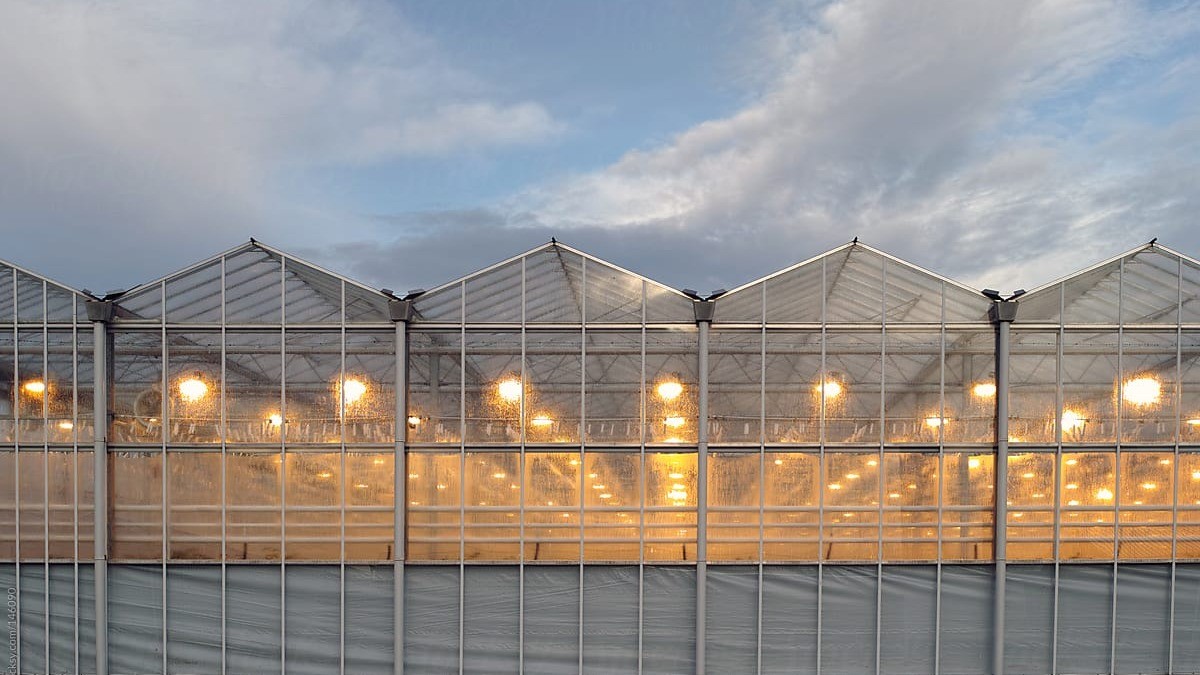
Japan is therefore combining traditional adaptation with advanced technology. Government programmes encourage heat-resistant crop varieties, improved irrigation, greenhouse shading, ventilation, automated cooling systems, agricultural drones and robotic machinery.
Since June 2025, workplace regulations have also required stronger heatstroke prevention and emergency procedures when working conditions exceed specified temperature or heat-stress thresholds.
But working at night is not a complete solution. Humidity, worker fatigue and additional electricity costs can reduce the benefits.
Japan’s experience offers a glimpse of how agriculture may change across other parts of the World. Climate adaptation may no longer mean simply changing what farmers grow. Increasingly, it could also determine when humans can safely work the land at all.