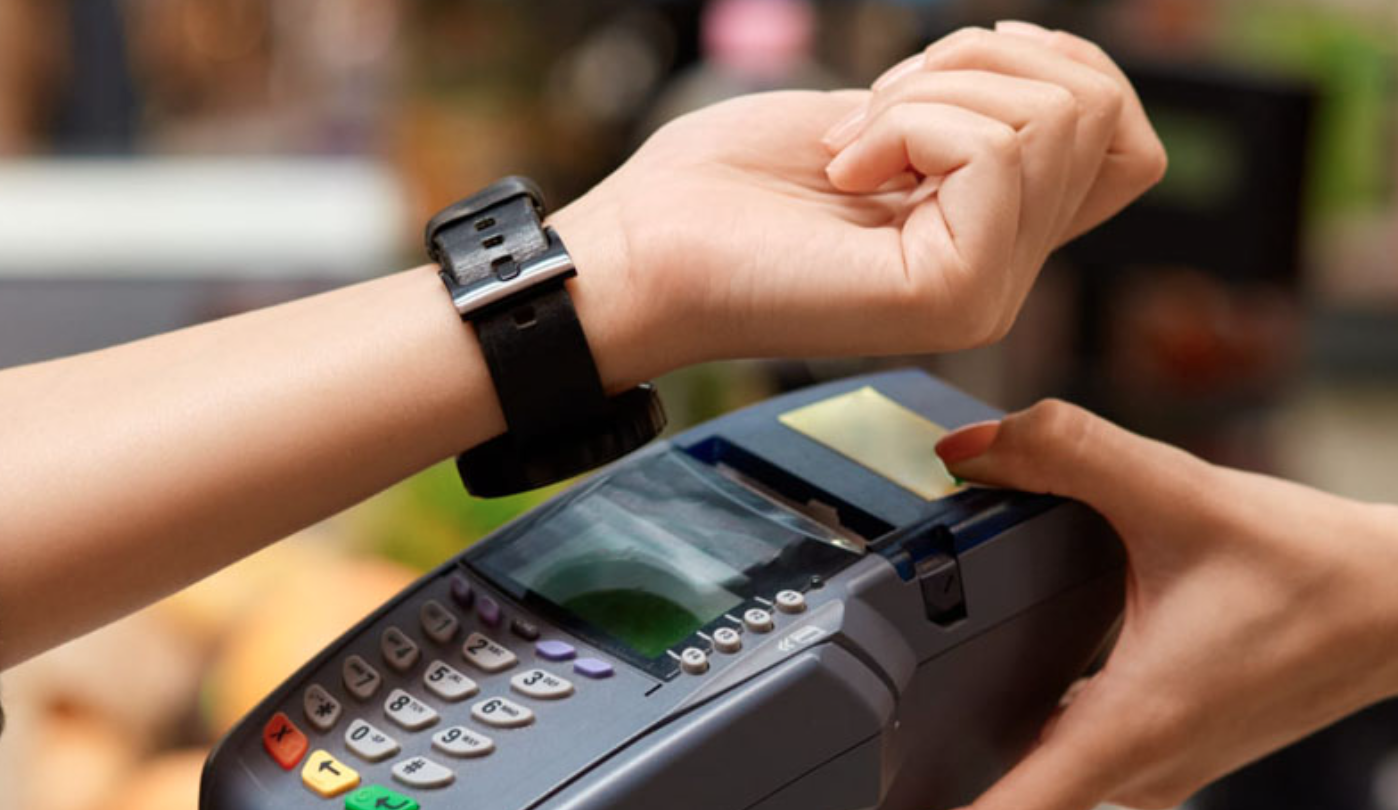
Asia’s payment revolution is moving beyond the plastic card. Consumers increasingly pay by tapping contactless watches, rings and wristbands, or by scanning QR codes with mobile wallets. Wearables make small everyday purchases almost effortless: a commuter can enter public transport, buy coffee or shop without reaching for a phone or wallet.
Yet QR payments remain Asia’s most transformative technology. They are inexpensive for merchants because they require no specialised card terminal, allowing street vendors and small businesses to accept digital payments. China’s Alipay and WeChat Pay established the model, while India’s UPI, Thailand’s PromptPay and Indonesia’s QRIS have brought instant mobile payments to hundreds of millions of users.
Instead of downloading a foreign application, travellers will use their existing banking app or wallet to scan local QR codes, with currency conversion handled automatically. Alipay+ now connects more than two billion consumer accounts with over 150 million merchants worldwide. Meanwhile, BIS-backed Project Nexus aims to link the instant-payment systems of India, Singapore, Malaysia, Thailand and the Philippines through a common platform. Alipay+ · BIS
“The next stage is cross-border interoperability.”
EuroAsia.News Editorial, reporting from Singapore
The opportunity is enormous: cheaper tourism payments, faster remittances and reduced dependence on international card networks. However, fraud prevention, cybersecurity, data protection and fair exchange rates remain essential. Asia’s future may not belong to one card or wallet, but to an interoperable ecosystem where any trusted device can pay almost anywhere.